
Automotive OEM Alternators

Alternator

Alternator

Alternator
Alternator

Alternator

Alternator
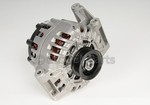
Alternator


Alternator
No results found for "Alternators". Here are some helpful search tips:
- Search by a part name. Example: water pump.
- Be less specific. Example: brake instead of ceramic brake.
- Remove information such as make, year or model.
- Can't find the part you are looking for? Contact us and we'll find it for you!
Alternators Simplified: Output and Engine Fit Matter Most
Your alternator charges the battery and powers the electrical system while the engine runs. This category includes genuine OEM alternators designed for specific engines and electrical packages. Output ratings and mounting can differ even on the same model, so confirm fitment with your VIN before ordering.
A battery warning light, dim or flickering lights, slow electrical accessories, or a battery that keeps going dead can point to a charging problem. Batteries, cables, and belts can cause similar symptoms, so test the charging system before replacing the alternator.
Alternators and the Parts That Drive Them
This category covers replacement alternators for a wide range of vehicles. Since the alternator works with other components, you may also need:
- Drive belts that turn the alternator pulley
- Pulleys and tensioners that keep belt tension correct
- Starters, another key part of the starting and charging system
- Fuses that protect charging and electrical circuits
Why OEM Alternators Fit Your Electrical Demand
Modern vehicles can carry heavy electrical loads from lighting, infotainment, heated seats, and driver-assist systems. OEM alternators are matched to your vehicle's expected demand and charging strategy, along with its mounting points, pulley, and connectors. Aftermarket and remanufactured alternators are available for many vehicles, but output and build quality can vary. OEM gives you a match to the original design.
How to Choose the Correct Alternator
Start with your engine and trim, since vehicles with extra electrical equipment or towing packages may use a higher-output unit. Check the amperage rating and connector style on your existing alternator when possible. Inspect the drive belt and tensioner at the same time, since a worn belt can slip and reduce charging. If your battery is weak, have it tested too, because a failing battery can strain a new alternator.
Confirm Alternator Fitment by VIN
Select your year, make, model, and engine, or enter your VIN for the most precise match. Compare the part number on the old alternator if it's visible. Disconnect the battery before removal and follow your service information for installation. If your vehicle has multiple alternator options listed, the VIN is the quickest way to narrow it to the unit installed at the factory.
Alternator Takeaways
- Alternator output can vary by engine, trim, and options.
- Test the battery and charging system before replacing parts.
- Inspect belts and tensioners at the same time.
- Use your VIN or part number to confirm the correct unit.
Alternator FAQs
How do I know if my alternator is failing?
Common signs include a battery warning light, dim lights, and repeated dead batteries. A charging system test can confirm the cause.
Can a bad battery damage a new alternator?
A weak battery can make the alternator work harder, so test the battery when replacing an alternator.
Does alternator amperage matter?
Yes. Match the output your vehicle was designed for, especially if it has extra electrical equipment.