
Automotive OEM Brake Drums

Brake Drum

Brake Drum
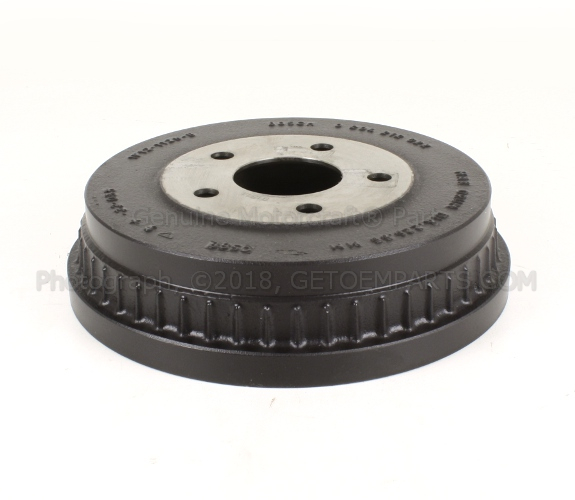
Brake Drum

Brake Drum



Brake Drum



Brake Drum
No results found for "brake drums". Here are some helpful search tips:
- Search by a part name. Example: water pump.
- Be less specific. Example: brake instead of ceramic brake.
- Remove information such as make, year or model.
- Can't find the part you are looking for? Contact us and we'll find it for you!
TL;DR Summary
Brake drums are part of a drum brake system and should be replaced when worn, damaged, out of specification, or causing brake concerns. Choose correct-fit OEM brake drums for your vehicle.
Brake drums work with brake shoes and related hardware to slow the vehicle. As the drum wears, it can develop grooves, heat damage, out-of-round wear, or surface problems that affect braking feel.
What This Category Includes
- Brake drums
- Related brake shoes
- Other brake parts
- Hydraulic components and hardware where applicable
Why Genuine OEM Parts Matter
OEM brake drums are designed around the vehicle's braking system dimensions and specifications. Correct diameter, bolt pattern, offset, and friction surface design are important for proper service.
How to Choose the Right Part
Inspect the full drum brake system before ordering. Shoes, hardware, wheel cylinders, adjusters, and drums may all affect braking performance.
Compatibility / Fitment Guidance
Brake drums can vary by axle, model year, trim, wheel size, and brake package. Confirm fitment before ordering and follow proper service procedures.
Key Takeaways
- Brake drums should be inspected for wear, scoring, and heat damage.
- Drum brake service often involves related parts.
- Brake fitment can vary by axle and brake package.
FAQ
What are signs brake drums may need replacement?
Vibration, noise, poor braking feel, visible scoring, or out-of-spec wear can point to drum issues.
Should brake shoes be replaced with drums?
It depends on condition, but shoes should always be inspected during drum service.
Are front and rear brake drums the same?
Most vehicles with drums use them at the rear, but always confirm the exact brake system layout.