
Automotive OEM Fuel Injectors
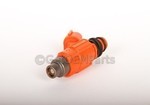


Fuel Injector

Fuel Injector

Fuel Injector


Fuel Injector

Fuel Injector

Fuel Injector

Fuel Injector

No results found for "fuel injectors". Here are some helpful search tips:
- Search by a part name. Example: water pump.
- Be less specific. Example: brake instead of ceramic brake.
- Remove information such as make, year or model.
- Can't find the part you are looking for? Contact us and we'll find it for you!
Fuel Injectors, Summarized: Flow Rate and Engine Match
Fuel injectors deliver precisely metered fuel into your engine. This category includes genuine OEM injectors designed for specific engines, including port and direct injection systems. Flow rate, spray pattern, and connectors vary by engine, so confirm fitment with your VIN before you order.
A misfire, rough idle, hesitation, reduced fuel economy, or a fuel smell can point to an injector problem. Spark plugs, ignition coils, and vacuum leaks can produce similar symptoms, so diagnose before replacing injectors.
Port and Direct Injection Components
Depending on your engine, you'll find:
- Port fuel injectors that spray into the intake
- Direct injectors that spray into the combustion chamber
- Seals and O-rings used during injector installation
Some engines use both port and direct injectors, so check the listing for your engine to see which type, or types, apply before you order.
When diagnosing a running issue, related parts to check include spark plugs, ignition coils, oxygen sensors, and engine air filters.
Why OEM Injectors Match Your Engine's Calibration
Your engine computer is programmed around a specific injector's flow rate and spray pattern. OEM fuel injectors match those specifications, along with the correct connector and seal design. Aftermarket and remanufactured injectors are available for some engines, but flow characteristics can vary. OEM injectors help keep fuel delivery consistent with your engine's original calibration.
How to Choose the Right Fuel Injector
Confirm your exact engine first, since one model can use different injectors depending on engine size or fuel system type. Determine whether you're replacing a single injector or a full set based on diagnosis and your technician's advice. Use new seals and O-rings during installation. Direct injection systems operate at high fuel pressure, so professional installation is strongly recommended.
Confirm Fuel Injector Fitment by VIN
Select your year, make, model, and engine, or enter your VIN for the most accurate match. Compare part numbers stamped on your existing injectors when possible. Some engines require injector coding or a relearn procedure after replacement, so follow your service information. If you're unsure whether your engine needs this step, a qualified technician can confirm it before installation.
Fuel Injector Takeaways
- Injectors vary by engine in flow rate, spray pattern, and connector.
- Diagnose misfires before replacing injectors.
- Always use new seals and O-rings.
- Direct injection work is best left to a qualified technician.
Fuel Injector FAQs
What are signs of a bad fuel injector?
Common signs include misfires, rough idle, hesitation, and a fuel smell. Diagnosis can confirm the cause.
Should I replace all fuel injectors at once?
Not always. It depends on diagnosis, mileage, and your technician's recommendation.
What's the difference between port and direct injection?
Port injectors spray fuel into the intake, while direct injectors spray directly into the combustion chamber at higher pressure.