
Automotive OEM Radiators

Radiator
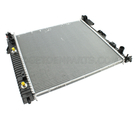

Radiator
Radiator

Radiator


Radiator
Radiator

Radiator

Radiator

No results found for "radiators". Here are some helpful search tips:
- Search by a part name. Example: water pump.
- Be less specific. Example: brake instead of ceramic brake.
- Remove information such as make, year or model.
- Can't find the part you are looking for? Contact us and we'll find it for you!
TL;DR Summary
Genuine OEM radiators help shoppers choose parts around factory fitment instead of broad universal assumptions. Use your vehicle details, part number, keyword, or VIN information to confirm the right option before ordering.
Shop Genuine OEM Radiators
GetOEMParts.com helps vehicle owners shop for radiators by vehicle, keyword, part number, or VIN. This category is built for cooling system repairs and radiator replacement, with practical guidance for choosing parts that match the vehicle application. When planning a related repair or accessory purchase, it may also make sense to review Radiator Hoses, Thermostats, Water Pumps, and Engine Parts.
What This Category Includes
- Vehicle-specific radiators and radiator assemblies
- Cooling-system hardware and mounting components
- Radiator connections and supporting pieces by application
- Parts that may work with fans, hoses, tanks, and cooling sensors
- Related cooling components by vehicle configuration
Why Genuine OEM Parts Matter
A radiator is not selected by size alone. Mounting points, hose connections, fan shroud fit, cooler provisions, and sensor locations can vary. Genuine OEM radiators are designed for the intended vehicle's cooling layout.
How to Choose the Right Part
Begin with your vehicle details and engine. Compare inlet and outlet locations, product notes, and part numbers. If a leak or overheating issue led you here, inspect related parts rather than assuming the radiator is the only issue.
Compatibility and Fitment Guidance
Cooling systems vary by engine, transmission, towing package, and production details. Confirm fitment before ordering, and consult the Owner's Manual or repair information for coolant type, service procedures, and maintenance intervals.
Key Takeaways
- Choose radiators by exact vehicle application, not appearance alone.
- Use part numbers, product notes, and VIN information when fitment details are close.
- Review related categories when one repair may involve connected parts or service items.
FAQ
When should a radiator be replaced?
Replacement may be needed for confirmed leaks, damage, corrosion, or cooling-system issues traced to the radiator. A proper inspection should confirm the cause.
Should I replace radiator hoses with a radiator?
Not always, but hoses should be inspected for age, swelling, cracks, and connection condition while the cooling system is apart.
How do I confirm the correct OEM radiator?
Select your vehicle, review the part notes, and compare the part number or VIN details when available.